


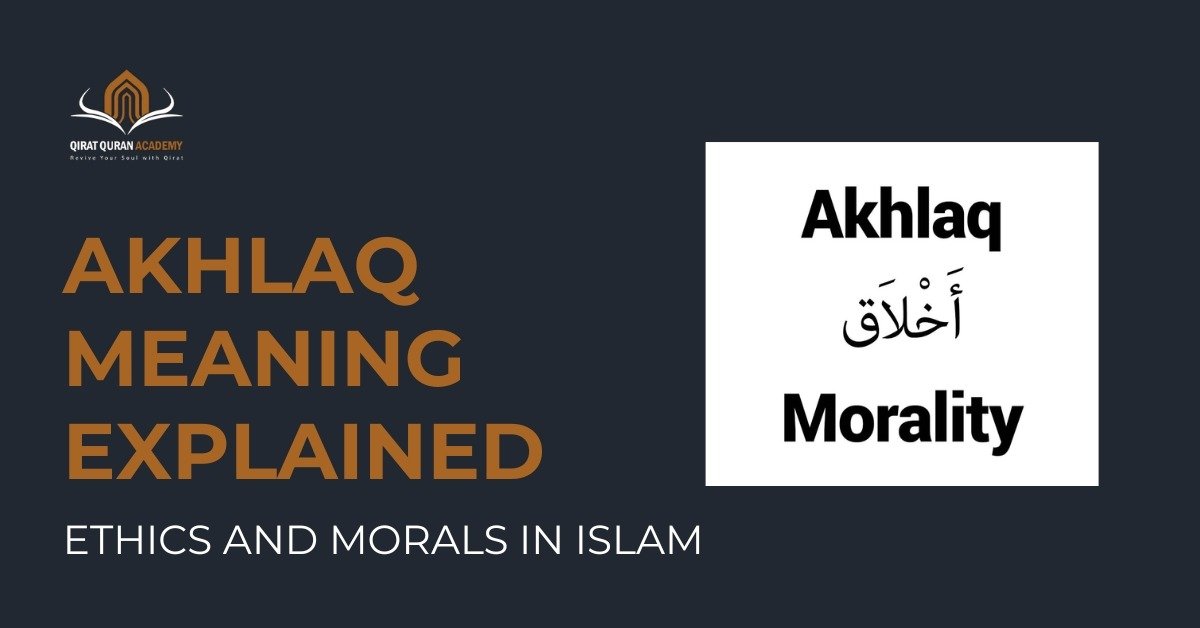
What Does Akhlaq Mean?
When we talk about akhlaq meaning, we’re essentially discussing the ethics, manners, and moral character that Islam encourages every believer to uphold. Akhlaq is not just a set of rules but a way of life—a guiding compass that shapes how a person thinks, acts, and interacts with others. It is about embodying good conduct, kindness, honesty, and integrity in both private and public life.
In simple terms, akhlaq is the manifestation of a believer’s inner values in their outward actions. Imagine it like the invisible threads that connect your heart, mind, and soul to the world around you. Without akhlaq, knowledge, worship, and wealth lose their true purpose.
Why Understanding Akhlaq Is Important in Islam
Islam places immense importance on good character. The Prophet Muhammad (PBUH) famously said, “The best among you are those with the best character.” This highlights that no matter how much knowledge or wealth you possess, your moral and ethical behavior defines your true worth. Understanding akhlaq meaning equips a Muslim to live a balanced life, earn respect in society, and maintain a deep connection with Allah.
The Foundation of Akhlaq in Islamic Teachings
Explore how the Quran and Hadith form the foundation of akhlaq, guiding Muslims toward ethical and moral conduct in daily life.
Akhlaq in the Quran
The Quran frequently emphasizes the significance of good manners and ethical conduct. Verses such as:
“Indeed, Allah commands you to render trusts to whom they are due and when you judge between people to judge with justice…” (Quran 4:58)
teach us that honesty, justice, and fairness are central to akhlaq. The Quran encourages Muslims to be compassionate, humble, and forgiving—traits that form the essence of good character.
Akhlaq in the Hadith
The sayings of the Prophet Muhammad (PBUH) further reinforce the importance of akhlaq. He advised his followers to be gentle, patient, and kind, even in challenging situations. One Hadith states:
“The most beloved of people to Allah on the Day of Judgment and the closest to Him will be those with the best character.”
This demonstrates that akhlaq is not optional—it’s a core part of faith itself.
Core Principles of Akhlaq
Learn the core principles of akhlaq, including honesty, kindness, patience, and humility, that shape a believer’s moral character.
Honesty and Truthfulness
Being truthful is the cornerstone of good akhlaq. It’s about speaking with integrity, keeping promises, and avoiding deception. Imagine honesty as the foundation of a building; without it, everything else crumbles.
Kindness and Compassion
A heart that shows empathy and love toward others reflects the beauty of Islam. Small acts of kindness, like helping a neighbor or comforting someone in distress, can make a massive difference in the world.
Patience and Forgiveness
Life is full of challenges, and people make mistakes. Patience allows us to endure difficulties gracefully, while forgiveness helps us release resentment. Together, they strengthen our character and relationships.
Humility and Respect
A humble person acknowledges their strengths without arrogance and respects the dignity of others. Respecting elders, teachers, and even strangers is a practical way to live out the principles of akhlaq.
Types of Akhlaq in Daily Life
Discover the different types of akhlaq in daily life, including personal, social, and spiritual conduct that shape a Muslim’s character.
Personal Akhlaq (Character Development)
Personal akhlaq focuses on refining your own behavior and mindset. It’s about self-discipline, controlling anger, being honest with yourself, and nurturing positive habits.
Social Akhlaq (Behavior Towards Others)
Social akhlaq guides how we interact with family, friends, neighbors, and the community. Greeting others warmly, avoiding gossip, and offering help are all part of good social conduct.
Spiritual Akhlaq (Relationship with Allah)
Spiritual akhlaq strengthens our relationship with Allah. Regular prayer, gratitude, and humility before God cultivate sincerity and moral responsibility in all aspects of life.
How Akhlaq Shapes a Muslim’s Personality
Learn how practicing good akhlaq builds trust, respect, and a positive influence, shaping a Muslim’s overall personality and character.
Building Trust and Respect
People are naturally drawn to those with good character. Practicing akhlaq meaningfully creates trust, strengthens friendships, and earns respect in both personal and professional circles.
Creating a Positive Environment
A person with excellent akhlaq spreads positivity. Their behavior inspires others, reduces conflict, and fosters a peaceful, cooperative environment—essential for any thriving community.
Common Misconceptions About Akhlaq
Learn about common misconceptions surrounding akhlaq and understand its true meaning beyond religion and natural behavior.
Akhlaq Is Only About Religion
Many believe akhlaq is strictly religious, but it’s more about universal moral principles. While Islam provides the framework, good character benefits everyone—Muslims and non-Muslims alike.
Akhlaq Is Not Natural but Learned
Some think good manners come naturally. In reality, akhlaq requires conscious effort, practice, and continuous self-reflection. Just like any skill, it improves over time with dedication.
Tips to Improve Your Akhlaq
Practical tips and strategies to develop and strengthen your akhlaq for a more ethical and compassionate life.
Daily Self-Reflection
Take a few minutes each day to assess your behavior. Ask yourself: Did I act kindly today? Was I patient? Did I maintain honesty? Self-reflection builds awareness and growth.
Following the Sunnah
The Prophet Muhammad (PBUH) modeled a perfect akhlaq. Following his guidance in speech, actions, and interactions provides a clear roadmap to moral excellence.
Practicing Gratitude
Gratitude fosters humility and contentment. Recognizing Allah’s blessings encourages a positive mindset, which naturally enhances your character toward others.
Inspirational Akhlaq Quotes to Live By
Explore inspiring akhlaq quotes from the Prophet (PBUH) and Islamic scholars to guide your morals and daily conduct.
Quotes from the Prophet Muhammad (PBUH)
- “None of you truly believes until he loves for his brother what he loves for himself.”
- “The best of you are those who are best to their families.”
Quotes from Islamic Scholars
- Imam Al-Ghazali: “Good character is the crown of knowledge.”
- Ibn Qayyim: “A good person is one whose heart and tongue are soft and gentle.”
These quotes highlight that akhlaq is the bridge between faith and action.
Benefits of Practicing Good Akhlaq
Discover the benefits of practicing good akhlaq, including inner peace, stronger relationships, and a closer connection to Allah.
Peace of Mind and Heart
Living ethically reduces inner conflict and guilt. Your heart feels lighter when your actions align with your values.
Stronger Relationships
Good manners nurture healthy relationships. Family bonds, friendships, and professional connections thrive when built on respect and honesty.
A Closer Connection to Allah
Practicing akhlaq meaningfully strengthens your spiritual life. Good character earns Allah’s pleasure and draws you closer to Him.
Frequently Asked Questions (FAQs)
Akhlaq refers to moral character, ethics, and good manners in Islam, guiding how a person behaves and interacts with others.
Practice self-reflection, follow the Sunnah, and incorporate acts of kindness, honesty, and patience into your routine.
Yes, morality and akhlaq are closely linked. Akhlaq specifically refers to the moral and ethical conduct emphasized in Islamic teachings.
Good character fosters trust, strengthens relationships, reduces conflicts, and promotes social harmony, making it highly relevant today.
Absolutely! Teaching by example, storytelling, positive reinforcement, and consistent guidance can instill strong moral values in children.
Conclusion
Understanding akhlaq meaning is essential for every Muslim striving to lead a balanced, ethical, and spiritually fulfilling life. Akhlaq is more than etiquette—it’s the embodiment of our faith in daily actions. By cultivating honesty, kindness, patience, and humility, we not only improve ourselves but also positively impact the world around us. Remember, the journey of perfecting akhlaq is lifelong, but every small effort counts.