


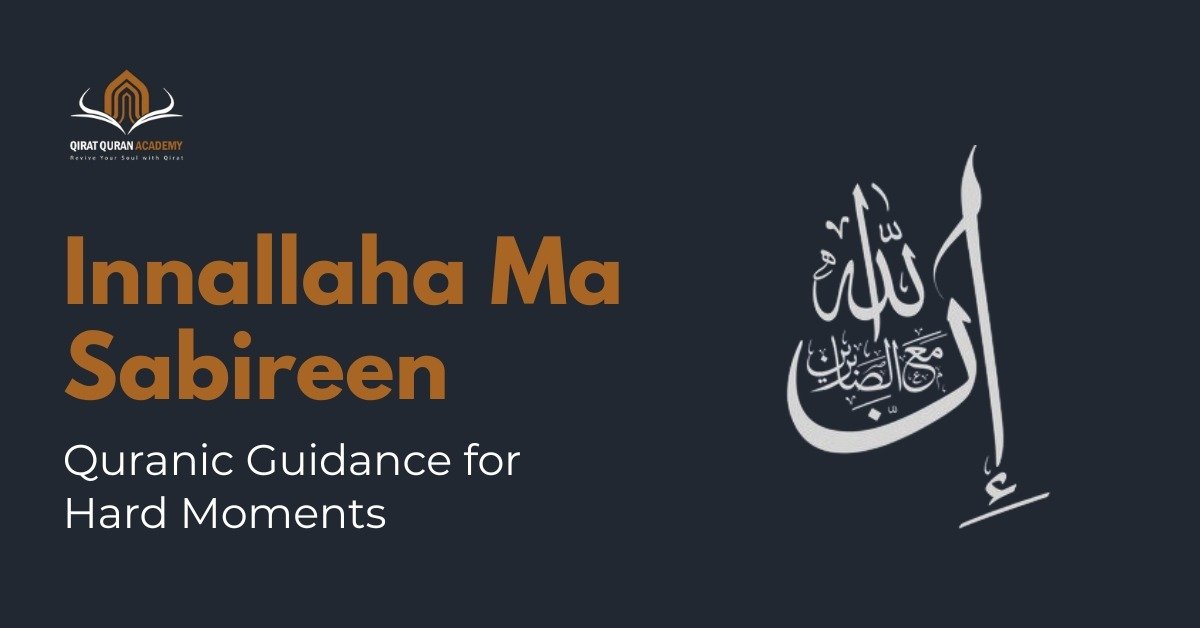
Life is full of challenges. Sometimes, it feels like the world is against us, and no matter what we do, hardship keeps knocking on our doors. It is during these tough moments that the Quran provides us with a beacon of hope and guidance: “Innallaha Ma Sabireen” – meaning “Indeed, Allah is with the patient.” This simple phrase carries profound wisdom and reassurance for anyone going through trials.
Patience is more than just waiting; it’s an active practice of endurance, faith, and trust in Allah’s plan. In a world that pushes instant gratification, practicing patience can feel almost impossible. But through understanding the Quranic teachings on patience, we can discover how to navigate difficulties with calm, resilience, and unwavering faith.
Understanding Patience in Islam
Explore the true meaning of Sabr and how patience shapes faith, resilience, and everyday life according to the Quran.
Definition and Concept of Sabr
The term Sabr in Arabic translates to patience, perseverance, and self-restraint. But it’s not merely about suppressing feelings or passively accepting hardship. True patience is an active state of controlling your impulses, maintaining trust in Allah, and continuing to strive for good despite difficulties.
Think of it like a tree weathering a storm – it bends with the wind but doesn’t break. Similarly, practicing Sabr allows believers to face life’s storms without losing their faith or composure.
Types of Patience in the Quran
The Quran outlines different types of patience, each vital for a balanced and faithful life:
- Patience in Hardship: Enduring trials such as illness, financial difficulties, or personal loss while keeping faith in Allah.
- Patience in Obedience: Staying steadfast in performing acts of worship and avoiding neglect of duties.
- Patience in Refraining from Sin: Controlling anger, desires, and temptations even when it’s difficult.
Understanding these types helps believers cultivate a well-rounded sense of patience in every aspect of life.
The Quranic Context of “Innallaha Ma Sabireen”
Discover how the Quran highlights patience and Allah’s promise to support those who endure hardships with faith.
Occurrences in the Quran
The phrase “Innallaha Ma Sabireen” appears in multiple places in the Quran, emphasizing its importance. For instance, Allah reminds the believers that enduring trials with patience brings His presence and support. Stories of prophets, like Prophet Ayyub (Job) who faced immense suffering, showcase the transformative power of patience.
Understanding Allah’s Promise
When the Quran says, “Indeed, Allah is with the patient,” it’s not just a comforting phrase. It’s a promise that Allah’s support, mercy, and guidance accompany those who remain steadfast. This divine assurance gives believers courage to persevere, knowing they are never truly alone in their struggles.
Patience as a Tool for Coping with Life’s Challenges
Discover how embracing patience helps navigate hardships, reduce stress, and make wiser decisions in everyday life.
Emotional Resilience
Patience builds emotional resilience. It allows us to respond thoughtfully rather than react impulsively to difficulties. Imagine a river facing rocks in its path; instead of halting, it flows around them, maintaining its course. Similarly, patience helps us navigate life’s obstacles without getting stuck in frustration or despair.
Daily life examples, such as waiting for a promotion, dealing with a difficult person, or facing unexpected medical issues, show how patience reduces stress and maintains inner peace.
Decision-Making and Patience
Impatience often leads to hasty decisions that we later regret. By practicing patience, we give ourselves the time to think clearly, weigh options, and make better choices. In essence, patience sharpens the mind and prevents us from acting under emotional pressure.
Real-Life Stories of Patience in Islamic History
Learn from the inspiring examples of Prophets and companions who demonstrated unwavering patience during trials.
Stories of the Prophets
Prophet Ayyub (Job) is the ultimate example of patience. Despite losing his health, wealth, and family, he never lost faith in Allah. His story teaches that patience in suffering leads to divine reward and spiritual elevation.
Prophet Muhammad (PBUH) also faced tremendous hardships in Mecca, from ridicule to physical harm. Yet, his unwavering patience and faith inspired generations of believers.
Stories from Companions
Companions of the Prophet, like Abu Bakr and Bilal, endured trials and persecution but remained steadfast in faith. Their lives demonstrate that patience is not passive; it’s a source of courage, resilience, and unwavering devotion.
How to Implement “Innallaha Ma Sabireen” in Daily Life
Practical tips and strategies to cultivate patience and apply Quranic guidance in everyday situations.
Practical Tips for Developing Patience
- Mindfulness and Reflection: Take a moment to breathe and reflect before reacting. Pause and remind yourself that hardship is temporary.
- Dua and Quran Recitation: Regularly reciting Quranic verses, including “Innallaha Ma Sabireen,” reinforces patience and provides spiritual strength.
- Gratitude Practice: Focus on the blessings you have rather than the difficulties you face. Gratitude strengthens patience.
Patience in Personal Relationships
Patience isn’t just about enduring personal hardships; it’s crucial in relationships. Conflicts with family, friends, or colleagues require patience, empathy, and understanding. By practicing patience, we not only maintain peace but also nurture stronger, more meaningful connections.
Spiritual Rewards of Patience
Explore how practicing patience strengthens your connection with Allah and brings both inner peace and worldly benefits.
Strengthening Connection with Allah
Patience strengthens our relationship with Allah. By remaining steadfast during trials, we experience His support, mercy, and closeness. It transforms hardships into opportunities for spiritual growth, reflection, and gratitude.
Worldly Benefits
Patience doesn’t only bring spiritual rewards; it also improves mental health, decision-making, and overall life satisfaction. Patient individuals are more resilient, composed, and capable of handling life’s challenges effectively.
Common Challenges in Practicing Patience
Understand the obstacles to maintaining patience, from modern distractions to personal hardships, and how to overcome them.
Immediate Gratification Culture
In today’s fast-paced digital world, instant results and quick fixes are expected everywhere—from social media likes to career advancements. This culture makes patience harder, but understanding the Quranic guidance reminds us that real success takes time and persistence.
Dealing with Personal Hardships
Loss, failure, or setbacks test our patience. In these moments, reflecting on “Innallaha Ma Sabireen” can provide comfort and reassurance. It’s a reminder that difficulties are temporary and Allah’s support is constant.
Inspirational Quranic Verses About Patience
- “O you who have believed, seek help through patience and prayer. Indeed, Allah is with the patient.” (Surah Al-Baqarah 2:153)
- “And be patient, for indeed, Allah does not allow the reward of the doers of good to be lost.” (Surah Hud 11:115)
Regular reflection on these verses helps believers internalize patience as a key to both spiritual and worldly success.
Frequently Asked Questions (FAQs)
It means “Indeed, Allah is with the patient,” emphasizing divine support for those who endure hardships with faith.
Through mindfulness, prayer, Quran recitation, reflection, and gratitude. Patience is strengthened by trusting Allah’s plan.
Prophet Ayyub (Job) and Prophet Muhammad (PBUH) are among the most notable examples of patience in the face of trials.
Absolutely! Patience improves decision-making, reduces stress, and helps build stronger relationships, all of which contribute to success.
Daily recitation and reflection help internalize patience and keep the mind and heart aligned with Allah’s guidance.
Conclusion
Patience, as highlighted by the phrase “Innallaha Ma Sabireen,” is a cornerstone of Islamic teachings and a powerful tool for navigating life’s challenges. By understanding and practicing patience, we not only endure hardships with grace but also strengthen our connection with Allah and improve our emotional resilience.
Life will always have trials, but with patience, faith, and trust in Allah, we can face every difficulty with courage and hope. Remember, you are never alone in your struggles – Allah is truly with the patient.