


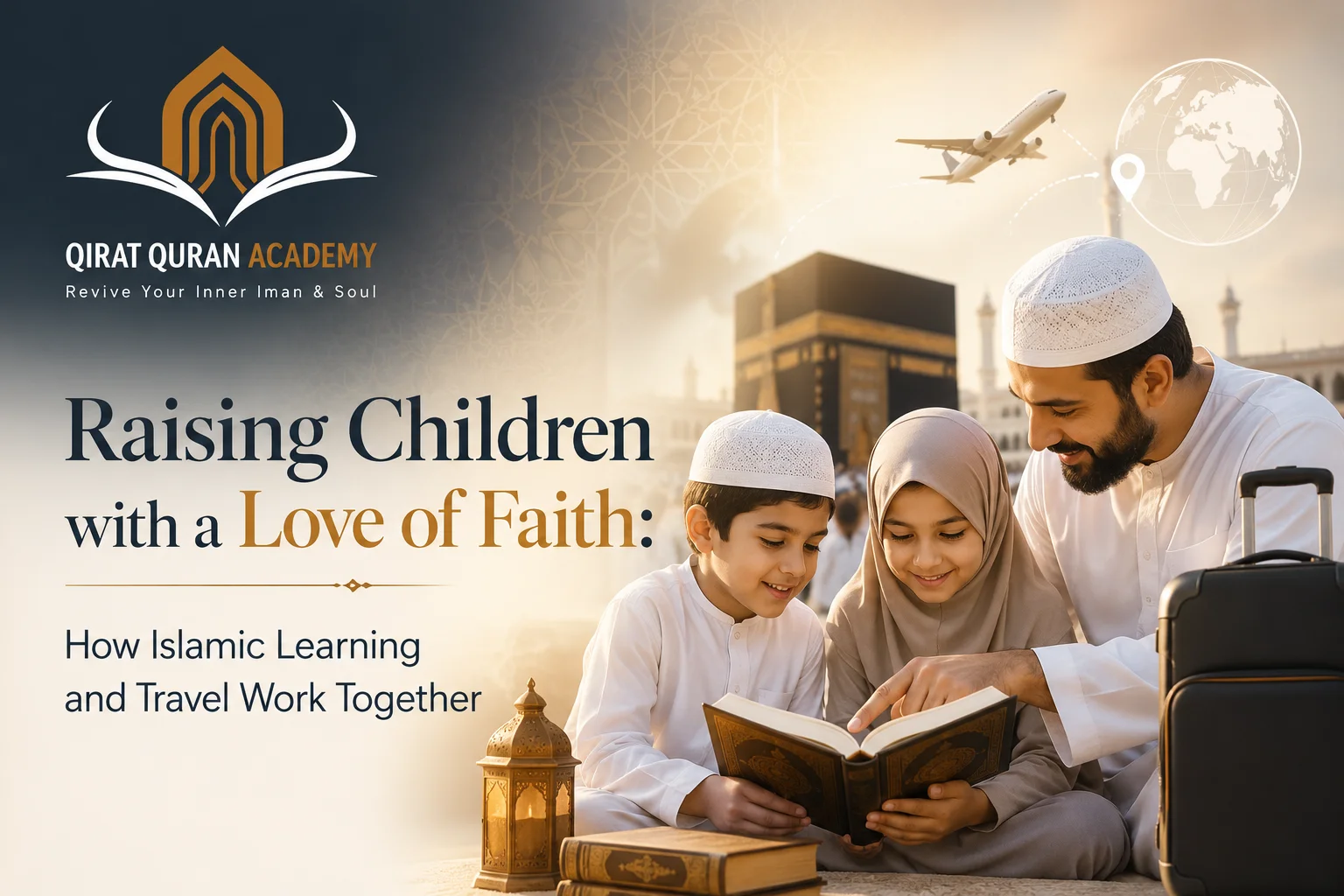
Raising children with a genuine love of their faith is one of the greatest hopes of any Muslim parent. In a busy modern world full of distractions, nurturing that connection takes patience, creativity and consistency. Two of the most powerful tools available to families are Islamic learning at home and meaningful travel that brings faith to life. Together, they can shape a child’s heart in ways that last a lifetime.
This guide explores how Quran learning and thoughtful travel complement each other in raising faithful, grounded children. Whether you are building a daily routine of Islamic study or planning a family trip, from the cheapest umrah packages from uk to a simple holiday with a faith-friendly focus, understanding how learning and experience work together will help you give your children a rich and lasting connection to their religion.
Why early Islamic learning matters
The early years of a child’s life are a precious window for nurturing faith. Young children absorb knowledge, habits and values quickly, and the lessons they learn in these formative years often stay with them for the rest of their lives. Establishing a love of the Quran and a connection to Islamic teachings early gives children a strong foundation to build upon.
Islamic learning is not simply about memorising words. It is about understanding meaning, building good character, and developing a personal relationship with Allah. When children learn to read the Quran, understand its message, and see its values reflected in daily life, they grow into confident, grounded young Muslims. This foundation supports them through the challenges of growing up in the modern world.
Making learning a joyful part of home life
The most effective Islamic learning happens when it feels joyful rather than forced. Children thrive when lessons are engaging, warm and woven naturally into family life. Reading Quran together, telling stories of the prophets, and celebrating small achievements all help children associate their faith with love and happiness.
Consistency matters more than long hours. A short, regular session each day is far more effective than occasional long ones, and it builds a gentle rhythm that children come to enjoy. Structured online Quran lessons have made this easier than ever, allowing children to learn from qualified teachers in the comfort of home, at a pace that suits them. This flexibility helps busy families keep learning a steady, cherished part of daily life.
How travel brings faith to life
While learning at home builds knowledge, travel brings that knowledge vividly to life. When children visit places of Islamic significance, or simply experience the wider world through the lens of their faith, abstract lessons become real and memorable. A child who has read about the Kaaba feels something entirely different when they see it with their own eyes.
Travel also broadens a child’s understanding of the global Muslim community. Meeting Muslims from different countries and cultures helps children appreciate the rich diversity of their faith and their place within a worldwide family. These experiences build empathy, curiosity and a sense of belonging that no textbook can provide. For many families, thoughtfully chosen Halal Holidays offer the perfect blend of relaxation and gentle faith-building, allowing children to enjoy new places while remaining comfortable with familiar values, food and prayer routines. Travel, when chosen with care, becomes a living classroom for the heart.
The special role of pilgrimage
Of all the journeys a family can undertake, few compare to the spiritual power of visiting the holy cities. Performing Umrah as a family, or simply sharing the experience of the holy sites, can leave a profound and lasting impression on a child. Standing before the Kaaba, walking the paths of the prophets, and worshipping alongside Muslims from every corner of the earth are experiences children never forget.
Such journeys are most rewarding when children are prepared beforehand. Teaching them the stories, duas and significance of what they will see turns the trip from a confusing adult activity into a meaningful adventure they feel part of. This is where home learning and travel come together most beautifully, each enriching the other. The knowledge gained at home gives depth to the journey, while the journey gives life and emotion to the knowledge.
Balancing learning and experience
The key to raising faithful children is balance. Learning without experience can feel dry, while experience without understanding can lack depth. When parents combine steady Islamic education at home with meaningful travel and real-world experiences, children gain both knowledge and a heartfelt connection to their faith.
This balance also keeps faith feeling relevant and alive. A child who learns about generosity and then sees it in action while travelling, or who studies the Quran and then hears it recited beautifully in a great mosque, understands their religion on a deeper level. These moments of connection are what transform learning into lifelong love.
Practical tips for parents
Nurturing a love of faith through learning and travel need not be complicated. A few simple approaches can make a real difference:
- Establish a gentle daily routine of Quran learning that children can enjoy and rely on.
- Tell stories of the prophets and Islamic history to bring lessons to life.
- Prepare children before trips, explaining the significance of the places they will visit.
- Choose travel thoughtfully, considering destinations that support your family’s values.
- Lead by example, letting children see your own love of faith in how you live and travel.
Above all, be patient and keep the experience positive. Children respond to warmth and encouragement, and a joyful approach plants seeds that grow throughout their lives.
Frequently asked questions
There is no fixed age, and many families begin gently in the early years. Young children absorb learning quickly, so starting early with short, enjoyable sessions works well.
Travel brings abstract lessons to life, allowing children to experience places of significance, meet Muslims from other cultures, and see their faith reflected in the wider world.
Keep sessions short and regular, use stories and encouragement, celebrate small achievements, and weave learning naturally into daily family life rather than making it feel forced.
Yes, even if young children do not remember every detail, the atmosphere and shared family experience leave a lasting positive impression that supports their spiritual growth.
Final thoughts
Raising children with a deep love of their faith is a journey in itself, one that combines the steady nurturing of learning at home with the vivid, unforgettable lessons of travel. Together, these two approaches give children both the knowledge and the heartfelt connection they need to grow into confident, grounded young Muslims.
Build a joyful routine of learning, choose your family’s travels with care, and above all lead with love and patience. In doing so, you give your children a gift far greater than any single lesson or trip, a lifelong bond with their faith that will guide and comfort them for all their years. May Allah bless every family in raising righteous, faithful children. Ameen.
