


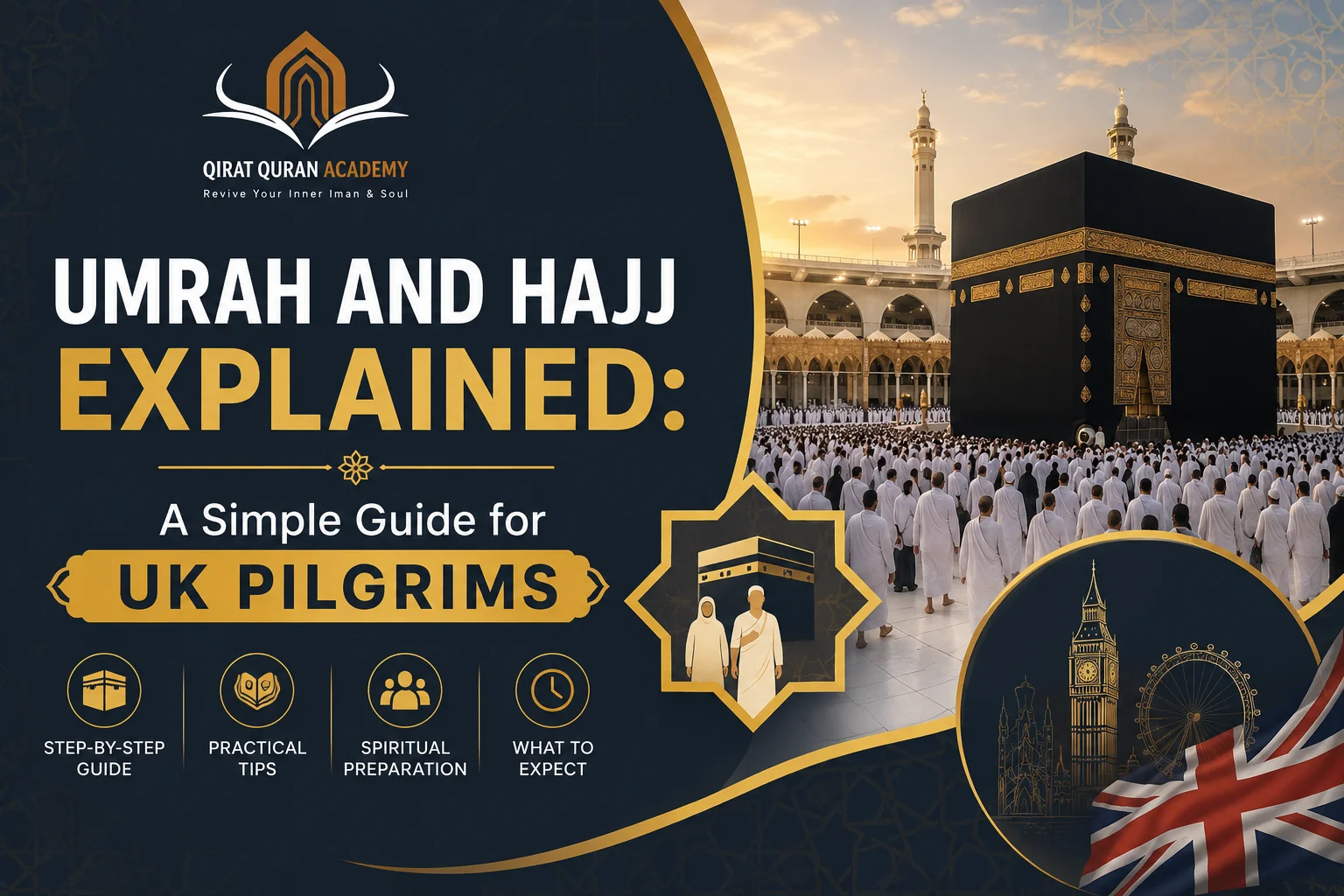
Many British Muslims use the words Umrah and Hajj almost interchangeably, yet they are two distinct acts of worship, each with its own rulings, timing and significance. Understanding the difference is the first step towards planning a pilgrimage with confidence. Whether you are dreaming of your first visit to Makkah or preparing for the journey of a lifetime, knowing exactly what each pilgrimage involves helps you choose the right one for your circumstances and prepare for it properly.
The most important difference is obligation. Hajj is one of the five pillars of Islam and is compulsory once in a lifetime for every Muslim who is physically and financially able. Because it can only be performed during specific days of the Islamic month of Dhul Hijjah, and because places are strictly limited, families considering Hajj Packages from UK need to plan well in advance. Umrah, by contrast, is a highly recommended but voluntary act that can be performed at any time of year, which makes it far more flexible for busy families in Britain.
What is Umrah?
Umrah is often called the lesser pilgrimage, though there is nothing lesser about its spiritual rewards. It consists of a set of beautiful rites performed in Makkah: entering the state of ihram, making Tawaf around the Kaaba seven times, walking between the hills of Safa and Marwah, and finally trimming or shaving the hair to complete the Umrah. The whole sequence can be completed in a matter of hours, though most pilgrims spend several days in Makkah and Madinah to make the most of the journey.
Because Umrah can be performed throughout the year, it suits those who want a shorter, more flexible pilgrimage. Many British families choose to travel during the school holidays or the cooler months, fitting the journey around work and study. It is also a wonderful way to experience the holy places for the first time, before undertaking the greater commitment of Hajj.
What is Hajj?
Hajj is the greater pilgrimage and one of the pillars of Islam. It follows a set sequence of rites over several days, including standing at Arafat, staying at Muzdalifah, the symbolic stoning of the pillars at Mina, and performing Tawaf and Sa’i. These rites commemorate the trials of Prophet Ibrahim and his family, and completing them is among the most profound experiences a Muslim can have.
Hajj is far more demanding than Umrah, both physically and logistically. It draws millions of pilgrims from around the world at the same time, which is why careful planning and an experienced guide are so important. For most British pilgrims, Hajj is a once-in-a-lifetime journey, and it deserves to be approached with the fullest possible preparation.
The key differences at a glance
While both pilgrimages take you to the same blessed places, the differences between them shape how you plan and prepare. The main distinctions are worth keeping clearly in mind:
- Obligation: Hajj is compulsory once in a lifetime for those able; Umrah is voluntary but highly rewarded.
- Timing: Hajj is performed only in Dhul Hijjah; Umrah can be performed at any time of year.
- Duration: Umrah can be completed in hours; Hajj follows a set sequence over several days.
- Rites: Hajj includes Arafat, Muzdalifah and the stoning at Mina, which Umrah does not.
- Scale: Hajj draws millions at once; Umrah is generally far less crowded.
Planning your pilgrimage from the UK
Whichever pilgrimage you are planning, arranging it from Britain involves the same essentials: flights, an Umrah or Hajj visa, hotels in Makkah and Madinah, and transport between the holy sites. This is why most pilgrims choose a complete package rather than arranging everything separately. When you compare an Umrah Packages from UK, look for one clear price that covers flights, visa processing, accommodation and transfers, with no hidden extras. A trusted agency such as Qiblatain UK can tailor the trip to your dates, budget and family needs, and guide you through every step.
For Hajj especially, experience matters enormously. The rites are complex, the crowds are vast, and an experienced, English-speaking guide can make the difference between a stressful trip and a smooth, deeply meaningful one. Always confirm the agency is ATOL protected, so your money and your journey are financially safeguarded whichever pilgrimage you choose.
Preparing spiritually for either journey
Practical arrangements are only half the story. The most rewarding pilgrimages are those the traveller has prepared for spiritually. Learning the rites in advance, memorising the essential duas, and improving your recitation all help you arrive calm and ready rather than anxious and hurried. This is true for both Umrah and Hajj, though the greater complexity of Hajj makes preparation even more important.
This is where steady Quran learning in the months before travel proves invaluable. A pilgrim who can recite with confidence and understand the duas they are saying experiences the holy places far more deeply. Give yourself time to prepare your heart, and whichever pilgrimage you undertake will reward you many times over.
Frequently asked questions
Hajj is a compulsory pillar of Islam performed only during specific days of Dhul Hijjah, following a set sequence of rites over several days. Umrah is voluntary, can be performed any time of year, and consists of a shorter set of rites in Makkah.
Yes. Umrah can be performed at any time and is not conditional on having completed Hajj. Many British Muslims perform Umrah first, both for its own rewards and as a way to experience the holy places before undertaking Hajj.
As early as possible. Hajj places are strictly limited and in very high demand, so serious pilgrims often begin enquiring a year or more ahead. Early booking secures your place, better prices and time to prepare properly.
For most pilgrims, yes, especially for Hajj. A complete package handles flights, visa, hotels and transport, and provides experienced guidance. Always choose an ATOL-protected agency and confirm exactly what is included in the price.
Final thoughts
Umrah and Hajj are two of the greatest journeys a Muslim can undertake, and understanding the difference between them is the first step towards planning either one well. Whether you choose the flexible, year-round blessing of Umrah or the once-in-a-lifetime obligation of Hajj, prepare your documents early, book with a trusted and protected agency, and above all prepare your heart. Do that, and you will set off ready to give yourself fully to this sacred journey.
