


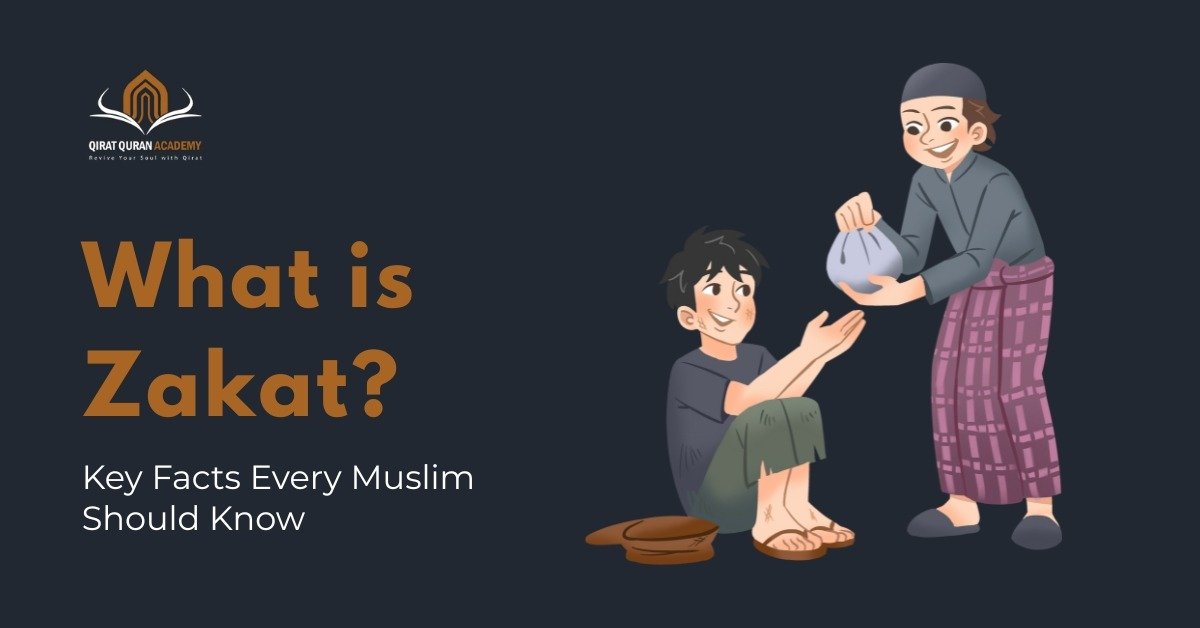
Have you ever wondered what makes Zakat such an essential part of Islam? Many Muslims understand it’s one of the five pillars, but few grasp its full meaning and impact. Zakāh isn’t just a form of charity; it’s a spiritual act of worship, a societal equalizer, and a personal purification of wealth. In this article, we’ll explore what is zakat, its importance, and everything every Muslim should know to fulfill this crucial duty.
Understanding the Basics
Zakat is a compulsory form of almsgiving in Islam, mandated for those who meet specific wealth criteria. Unlike voluntary charity (Sadaqah), Zakāh has fixed rules, percentages, and eligible recipients, making it a well-structured system to help the needy. Think of it as a financial detox — it purifies your wealth while aiding the less fortunate.
Why Zakat is a Pillar of Islam
Being one of the five pillars, Zakat holds a special place in a Muslim’s spiritual and social life. Just like Salah (prayer) maintains our connection with Allah, Zakāh maintains our responsibility toward the community. By paying Zakat, Muslims practice compassion, accountability, and humility. It’s not merely a financial obligation; it’s a reflection of a believer’s faith.
The Meaning and Importance of Zakat
The Meaning and Importance of Zakat explains how Zakat purifies wealth, strengthens faith, and creates social balance by helping those in need while pleasing Allah.
Literal Meaning of Zakat
The word “Zakat” in Arabic literally means “purification” or “growth”. When you pay Zakat, your wealth is purified, and what remains grows in blessing. Imagine it as planting seeds in a garden — what you give nurtures others while bringing spiritual growth to yourself.
Spiritual Significance in a Muslim’s Life
Zakat is more than money. It’s a reminder that wealth is a trust from Allah. By giving a portion away, Muslims acknowledge that all possessions ultimately belong to Allah. Paying Zakāh strengthens empathy, reduces greed, and fosters social justice. It’s a spiritual tool that purifies your heart while uplifting the community.
Who is Obligated to Pay Zakat?
Explains which Muslims are required to give Zakat based on wealth, ownership, and reaching the minimum Nisab threshold.
Nisab – The Minimum Threshold for Zakat
Not every Muslim is required to pay Zakāh. The obligation applies only to those whose wealth reaches Nisab, the minimum threshold set for Zakat. Nisab is equivalent to 87.48 grams of gold or 612.36 grams of silver. If your wealth is below this, you are not required to pay Zakāh.
Categories of Wealth Subject to Zakat
Zakāh is calculated on various forms of wealth, including:
- Cash and savings
- Gold and silver
- Business assets and inventory
- Investments and shares
- Agricultural produce and livestock (in certain contexts)
Understanding what is zakat on each type of wealth ensures accurate and proper fulfillment of this pillar.
How Zakat is Calculated
Explains the simple method of calculating Zakāh on savings, gold, business assets, and other wealth at the required rate.
Zakāh on Cash and Savings
For cash, the general rule is 2.5% annually. You calculate the total of your liquid assets, subtract debts, and pay Zakāh on the remaining amount. It’s simple math, but its impact is profound — a small portion of your wealth can significantly help someone in need.
Zakat on Gold, Silver, and Investments
Gold and silver are also subject to a 2.5% Zakāh if they meet Nisab. For investments, such as stocks or rental income, Zakat is calculated based on current market value. This ensures that even modern forms of wealth fall under the purview of Zakat.
Zakat on Business Assets and Income
Business owners calculate Zakat on profits, merchandise, and liquid cash. Some scholars allow flexibility for deducting debts and operational costs, ensuring fairness in calculation. The principle remains: wealth should circulate and not stagnate.
Recipients of Zakat
Explains who is eligible to receive Zakat, including the poor, needy, debtors, and other groups defined in the Quran.
The Eight Categories of Eligible Recipients
The Quran clearly defines eight categories of Zakāh recipients:
- The poor (Al-Fuqara)
- The needy (Al-Masakin)
- Zakat collectors (Al-‘Amilina ‘Alayha)
- Those whose hearts are to be reconciled (Al-Mu’allafatu Qulubuhum)
- Freeing slaves or captives (Ar-Riqab)
- Those in debt (Al-Gharimin)
- In the cause of Allah (Fi Sabilillah)
- Travelers in need (Ibn As-Sabil)
Modern Applications: Helping the Needy and Charity Organizations
Today, many Muslims distribute Zakāh through trusted NGOs and online platforms, ensuring transparency and maximum impact. Whether it’s providing food, education, or healthcare, modern Zakāh has evolved to meet community needs efficiently.
Benefits of Paying Zakat
Highlights how Zakāh purifies wealth, brings spiritual rewards, and helps build a fair and compassionate society.
Spiritual Rewards and Blessings
Paying Zakāh purifies your wealth, earns Allah’s blessings, and strengthens faith. The Prophet Muhammad (PBUH) said, “Zakat does not decrease wealth”. Think of it like cleaning a window — a small effort clears away dust, allowing light to shine through.
Social and Economic Impact on the Community
Zakāh reduces poverty, supports social welfare, and promotes equality. By redistributing wealth, it alleviates financial stress for many families. In a way, it’s a self-regulating economic system designed to foster community cohesion and reduce hardship.
Common Misconceptions About Zakat
Common Misconceptions About Zakāh clears up misunderstandings about Zakāh, such as confusing it with charity and thinking it applies to everyone regardless of wealth.
Zakat vs. Sadaqah
Many confuse Zakat with Sadaqah. While both involve giving, Zakāh is obligatory, fixed, and has specific rules. Sadaqah is voluntary, unlimited, and can be given anytime. Both are crucial, but Zakāh is a structured obligation.
Zakat is Only for the Poor?
Some think Zakāh is only for the impoverished. While it primarily helps the needy, it also uplifts widows, travelers, debtors, and charitable projects. The goal is balance and fairness, not just handouts.
How to Pay Zakat Properly
How to Pay Zakāh Properly explains the correct way to calculate, distribute, and give Zakāh to eligible recipients according to Islamic guidelines.
Step-by-Step Guide to Calculating and Paying Zakat
- Calculate all your wealth and assets.
- Deduct any immediate debts.
- Determine if your wealth meets Nisab.
- Apply the 2.5% rate (or other applicable rates for crops/livestock).
- Distribute to eligible recipients or trusted organizations.
Choosing the Right Recipient
It’s important to give Zakāh to those who genuinely need it. Many prefer verified charities or community projects to ensure accountability. Transparency ensures your Zakāh achieves maximum benefit.
Digital and Online Zakāh Platforms
Digital and Online Zakat Platforms explains how modern technology makes calculating and paying Zakāh easier, faster, and more transparent through trusted online services.
How Technology Makes Zakāh Easier
Online platforms have simplified Zakāh payment. From apps to charity websites, you can calculate, donate, and even track how your Zakat helps. Technology ensures convenience and accuracy while reaching far-off communities.
Trusted Online Zakat Platforms
Some reputable platforms allow you to pay Zakāh safely, including:
- Local mosques with online portals
- International Islamic charities
- Verified crowdfunding initiatives for education, healthcare, or humanitarian projects
Frequently Asked Questions (FAQs)
Yes, Zakat can be divided and paid in installments, as long as the full amount is fulfilled within the due year.
Yes, if your savings or accumulated wealth from salaries reach Nisab, 2.5% should be given as Zakāh.
Yes, but only if they qualify as needy under Zakat rules. Paying to non-eligible relatives doesn’t count as proper Zakat.
If your total wealth is below the Nisab threshold, you are exempt from paying Zakāh.
Zakat reduces poverty, supports education, healthcare, and social welfare, creating economic balance and community harmony.
Conclusion
Understanding what is zakat is essential for every Muslim. Zakāh is not just an obligation; it’s a spiritual practice, a social responsibility, and a personal purification tool. By fulfilling it, you purify your wealth, gain spiritual rewards, and help create a just and compassionate society. Remember, even a small portion of your wealth can create ripples of positive change in someone’s life.